Kedarnath
Abode of Lord Shiva • Char Dham & Jyotirlinga
About Kedarnath
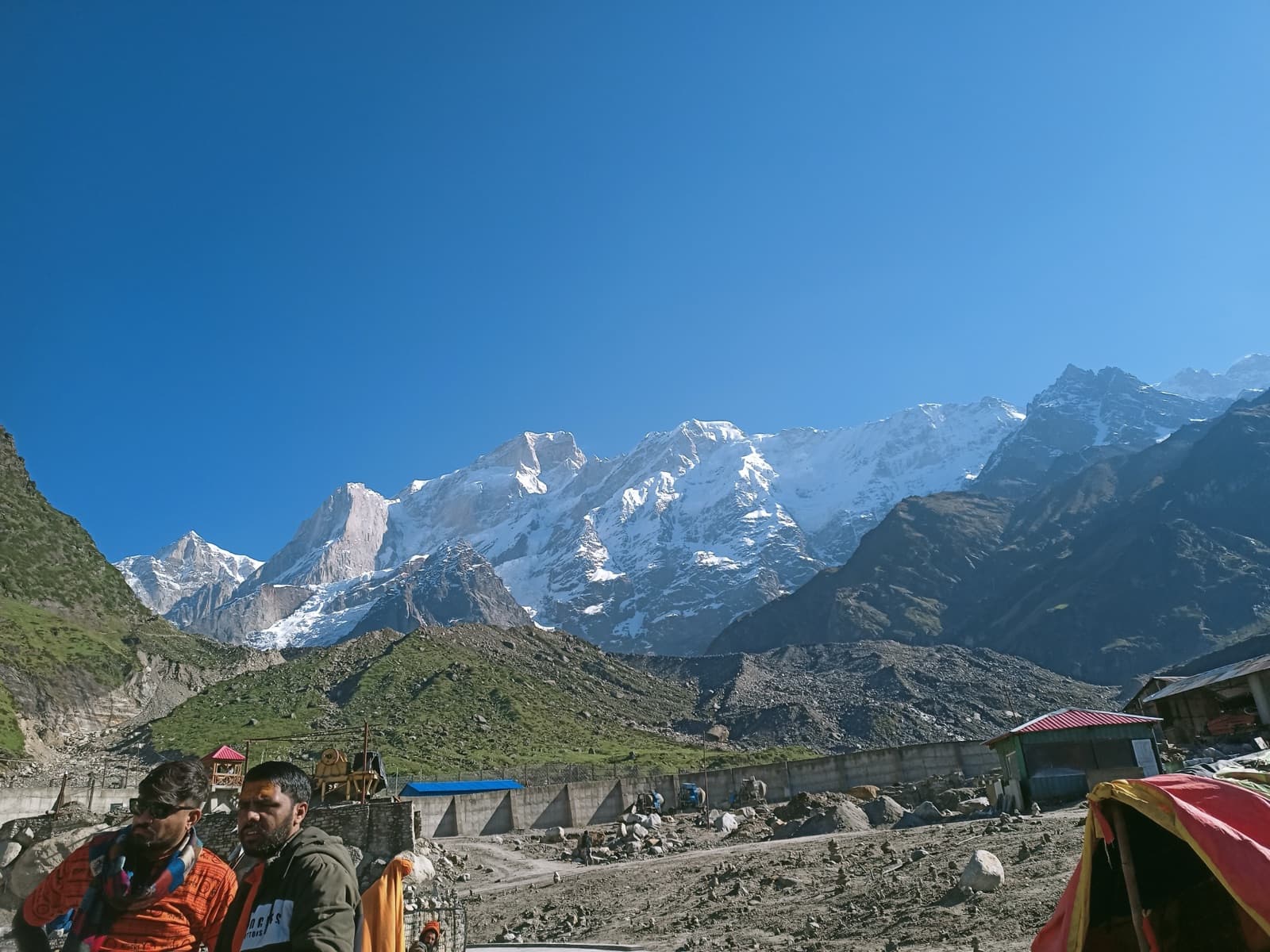
Kedarnath is one of the most revered Hindu pilgrimage sites in India, dedicated to Lord Shiva and counted among the twelve sacred Jyotirlingas as well as the Chota Char Dham of Uttarakhand. Perched at about 3,583 m beside the Mandakini river and framed by the snow-clad Kedarnath peak, the ancient stone temple is believed to have been established by the Pandavas and revived by Adi Shankaracharya. Reaching the shrine involves a demanding 16–18 km trek from Gaurikund, rewarding pilgrims with a profoundly spiritual atmosphere amid dramatic Himalayan scenery.
Highlights
- • Ancient Jyotirlinga temple of Lord Shiva
- • Spectacular trek along the Mandakini valley
- • Views of the Kedarnath and Kedar Dome peaks
- • Samadhi of Adi Shankaracharya behind the temple
- • Bhairavnath Temple viewpoint above Kedarnath
How to Reach
Jolly Grant Airport, Dehradun (~239 km) to Sonprayag; helicopters from Phata/Sersi/Guptkashi
Drive to Sonprayag/Gaurikund via Rishikesh, Rudraprayag and Guptkashi
~16–18 km trek (6–9 hrs) from Gaurikund to the temple
Ponies, palanquins and porters available at Gaurikund
Frequently Asked Questions
Kedarnath Temple opens for pilgrims around late April or early May on the auspicious day of Akshaya Tritiya and closes around late October or early November on Bhai Dooj (the day after Diwali). Exact opening and closing dates are announced each year by the temple committee based on the Hindu calendar. During the six winter months the deity is moved to Ukhimath, where worship continues. Always confirm the current year's dates before planning your trip.
The trek to Kedarnath is approximately 16–18 km one way, starting from Gaurikund. It is a steady uphill climb that most reasonably fit pilgrims complete in 6–9 hours. The path is paved and well-marked but the high altitude (the temple sits at about 3,583 m) makes it strenuous. For those unable to walk, ponies, palki (palanquins), and porters are available at Gaurikund, and helicopter services operate from Phata, Sersi, and Guptkashi.
Registration for the Char Dham Yatra (including Kedarnath) is mandatory and can be done online through the Uttarakhand government's official tourist registration portal (registrationandtouristcare.uk.gov.in) or via the Tourist Care Uttarakhand app. Offline registration counters are also available at Haridwar, Rishikesh, Sonprayag, and other points along the route. Carry a valid photo ID and keep your registration confirmation accessible throughout the journey.
Yes. Helicopter services to Kedarnath operate from three helipads — Phata, Sersi, and Guptkashi — and dramatically shorten the journey, taking just 8–10 minutes each way compared with the full-day trek. Tickets must be booked in advance through the official IRCTC heli-booking portal during the yatra season, as demand is very high. From the Kedarnath helipad it is a short walk of about 500 m to the temple.
Pack warm layers including a down jacket and fleece (temperatures can drop near freezing even in summer), a waterproof raincoat or poncho, sturdy trekking shoes, a torch, a basic first-aid kit, and any personal medication. Carry sufficient water, dry snacks, sunscreen, and a refillable bottle. Because of the high altitude, ascend slowly, stay hydrated, and watch for signs of altitude sickness.
Yes. Kedarnath is one of the twelve sacred Jyotirlingas of Lord Shiva and the highest among them in altitude. It is also one of the four sites of the Chota Char Dham of Uttarakhand and part of the Panch Kedar pilgrimage. The temple, believed to have been built by the Pandavas and later revived by Adi Shankaracharya, is an ancient stone structure that has withstood centuries of harsh Himalayan weather.
The best months are May–June and September–October, when the weather is relatively clear and the trek is most manageable. July and August fall in the monsoon season, when landslides and slippery paths are common and travel can be risky. The temple remains closed from November to April due to heavy snowfall. Early in the season you may still encounter snow along the upper sections of the trail.
Location & Map
Quick Facts
Essential Tips
What to Carry
- • Warm layers and a waterproof jacket
- • Sturdy trekking shoes and a torch
- • Personal medication and first-aid
Good to Remember
- • Complete the mandatory yatra registration
- • Acclimatise and ascend slowly
Tourism Contacts
Photography Guide
- • Temple with snow peaks behind
- • Mandakini valley along the trek
- • Sunrise glow on Kedarnath peak
© 2026 TripGuides.in. All Rights Reserved.