Explore India's Heritage Places
Explore the most iconic places across India — from heritage temples and forts to hill stations and lakes. Browse curated travel collections with detailed guides, best time to visit and how to reach.
Popular Destinations in India
Detailed travel guides to India's most-visited places — with the best time to visit, how to reach, entry details and nearby attractions.
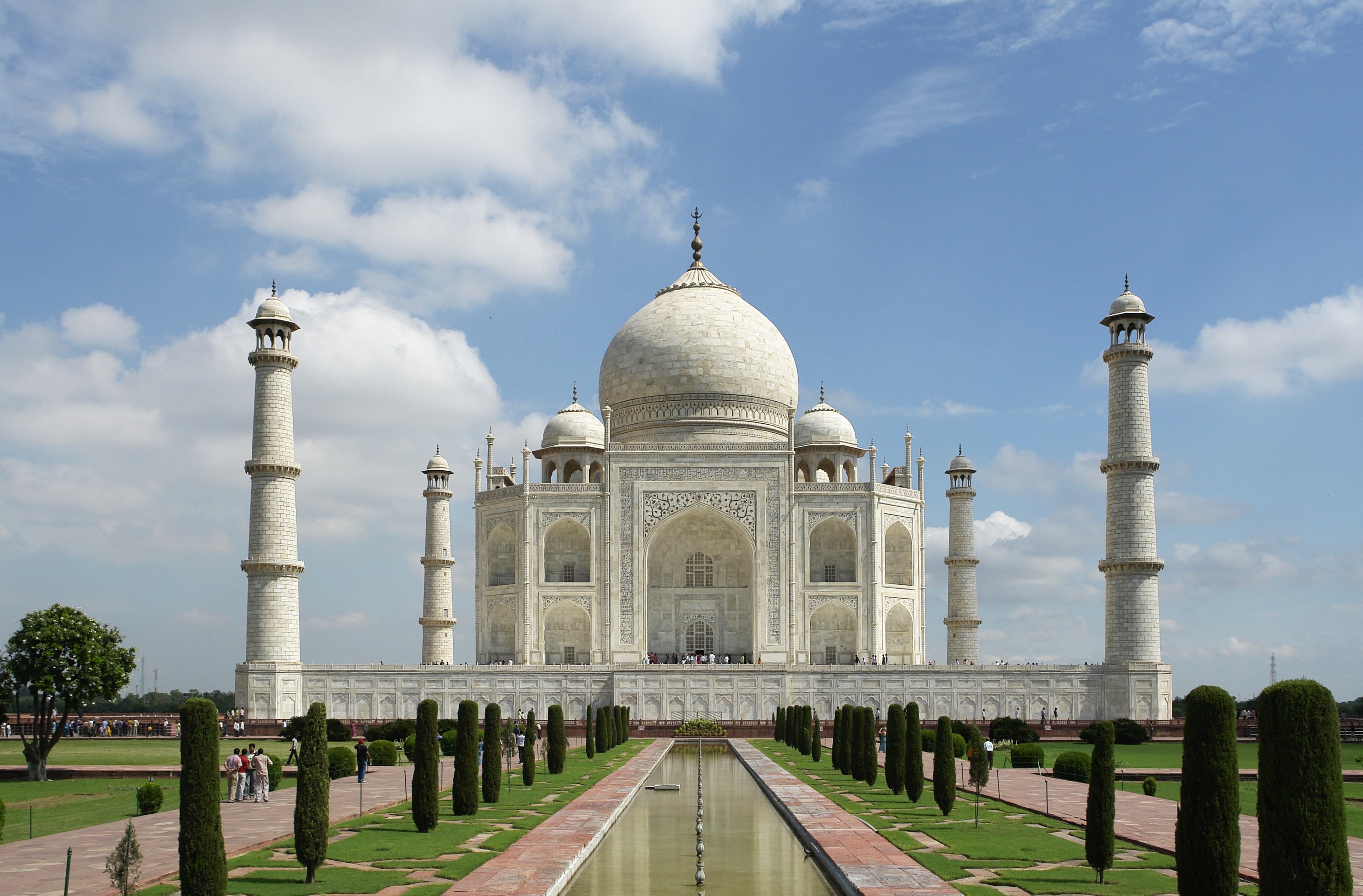
Taj Mahal
Agra, Uttar Pradesh
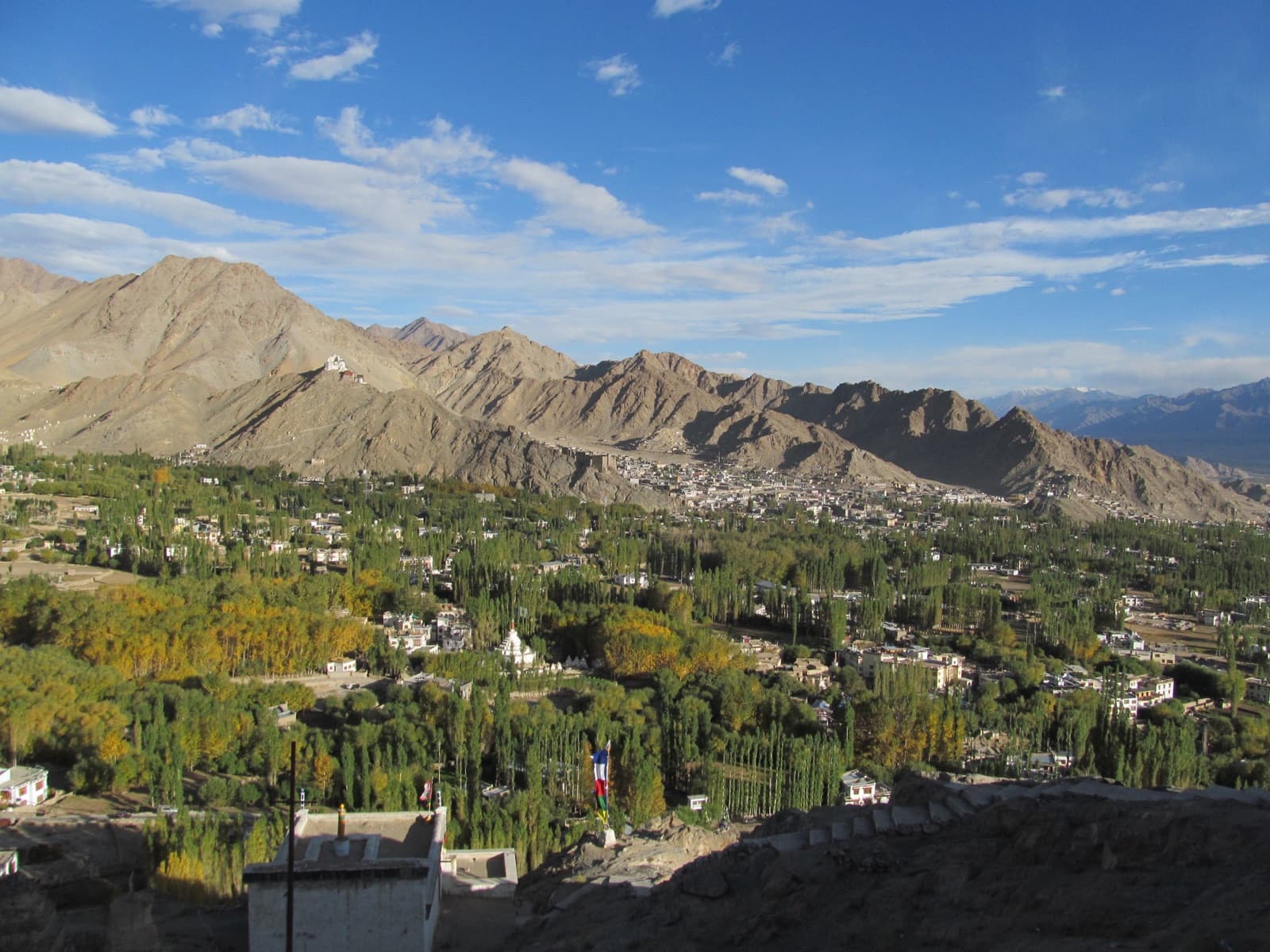
Leh
Leh, Ladakh
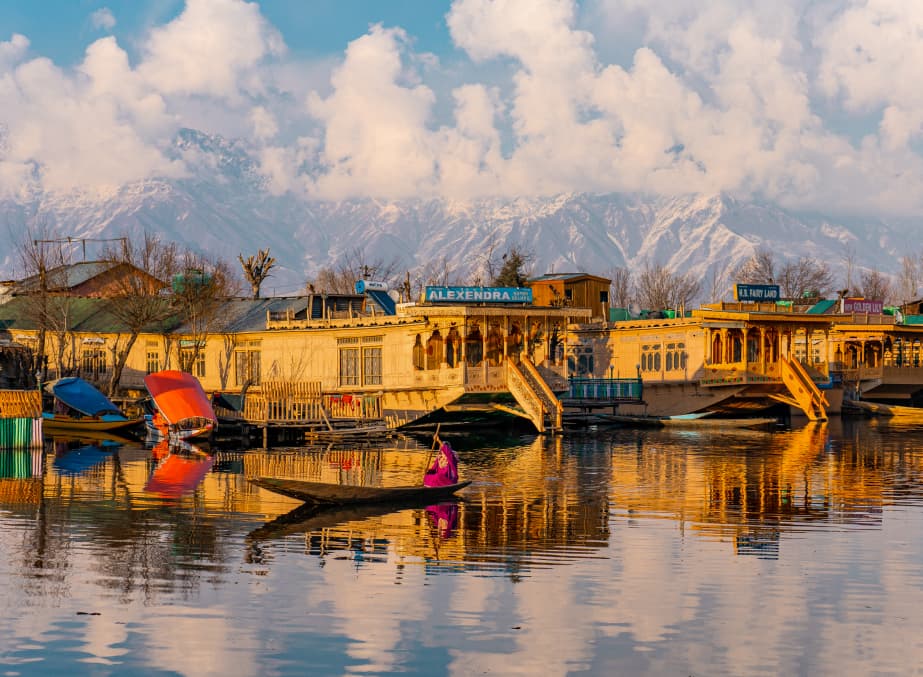
Dal Lake
Srinagar, Jammu & Kashmir
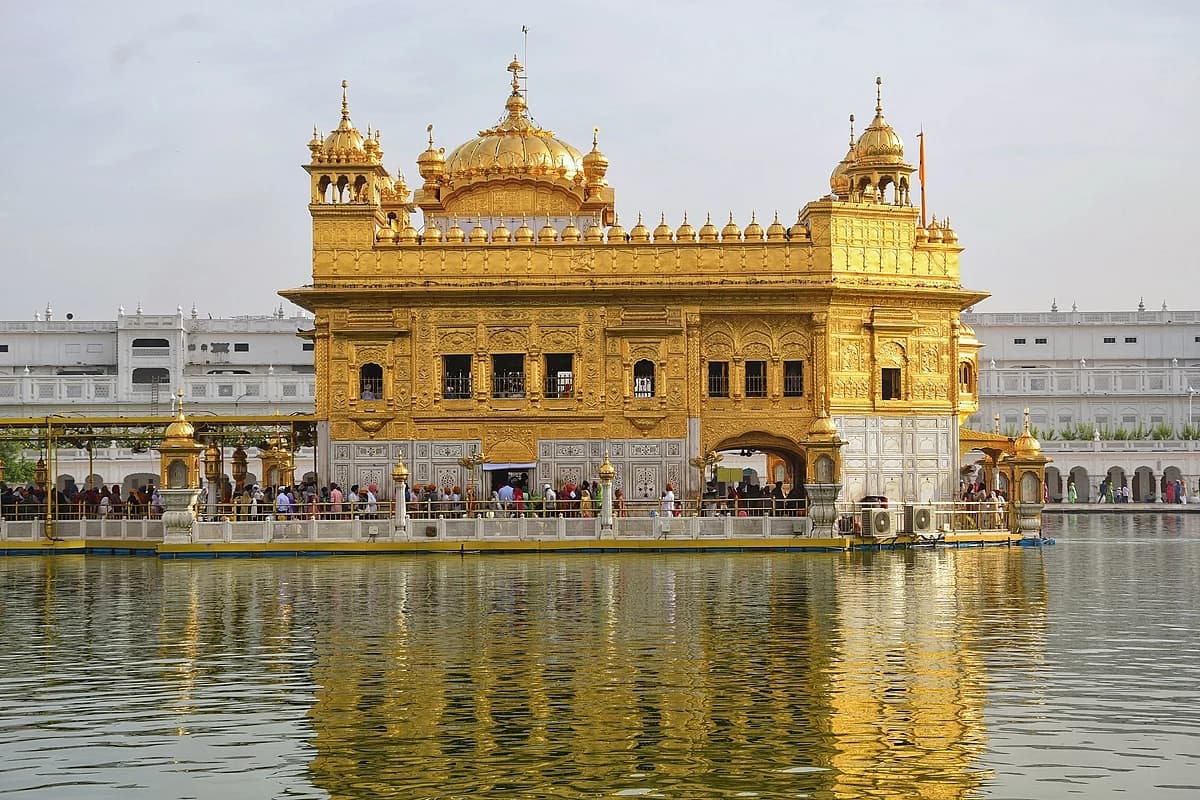
Golden Temple
Amritsar, Punjab
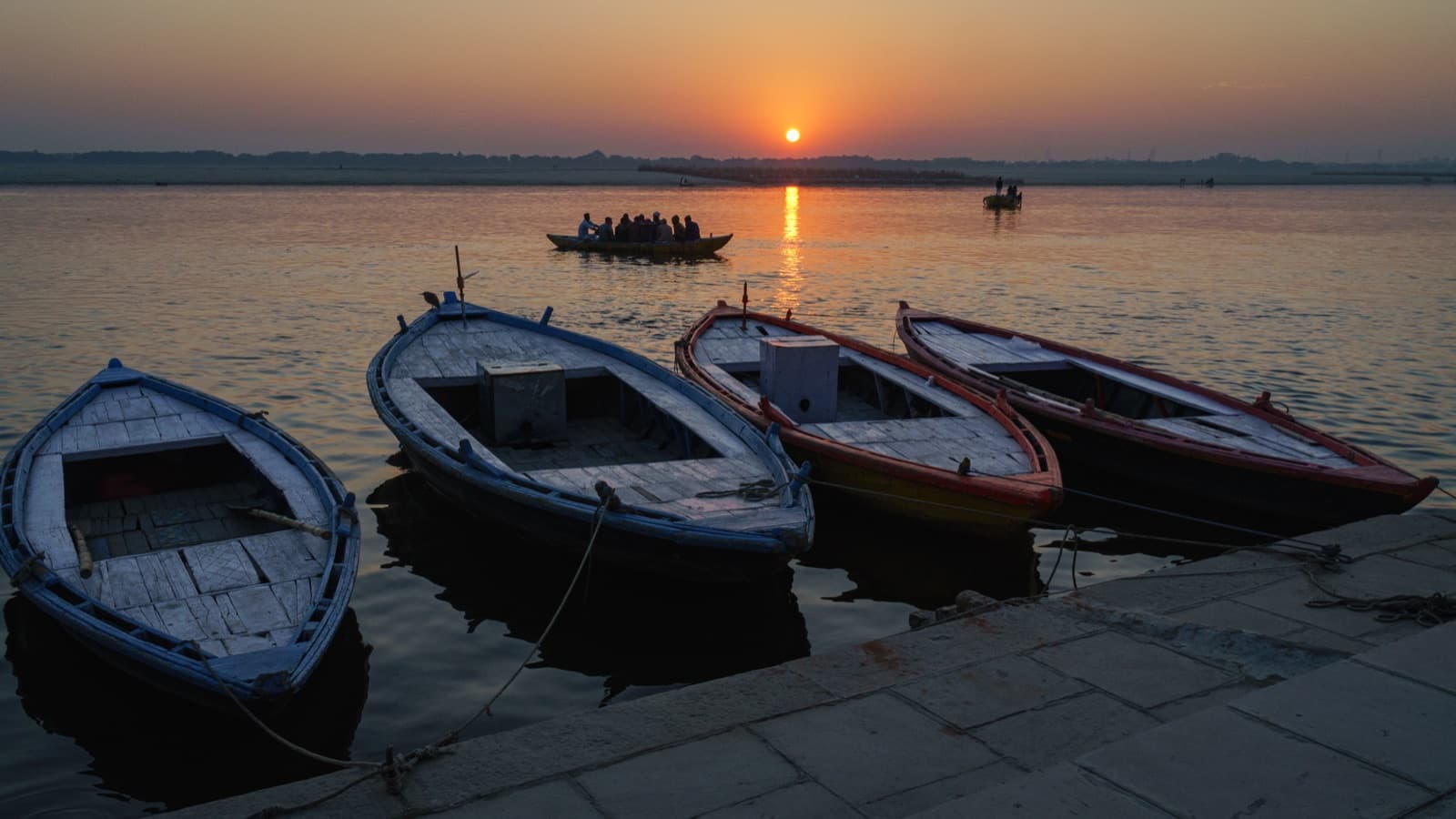
Varanasi
Varanasi, Uttar Pradesh
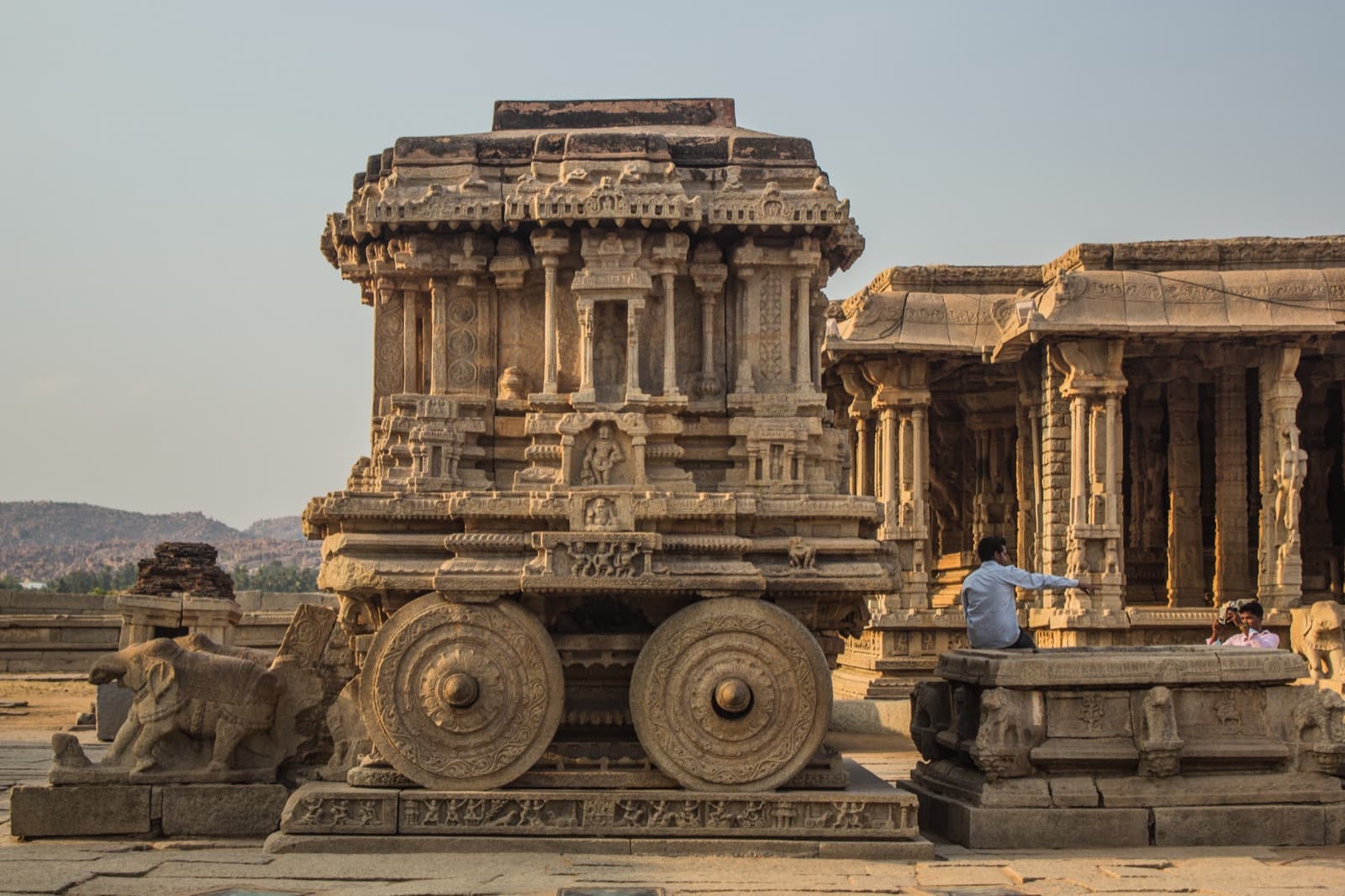
Hampi
Vijayanagara, Karnataka
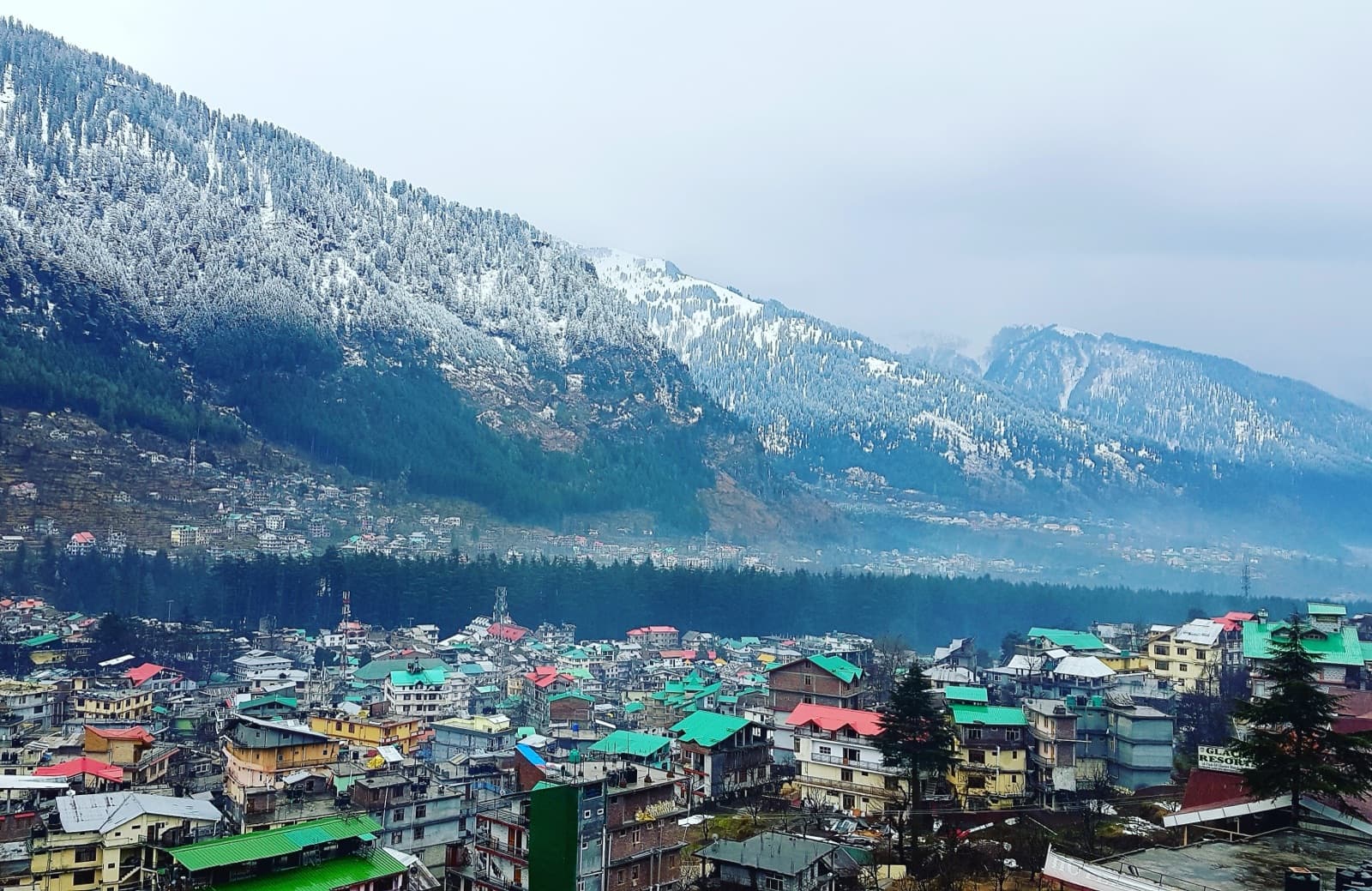
Manali
Kullu, Himachal Pradesh
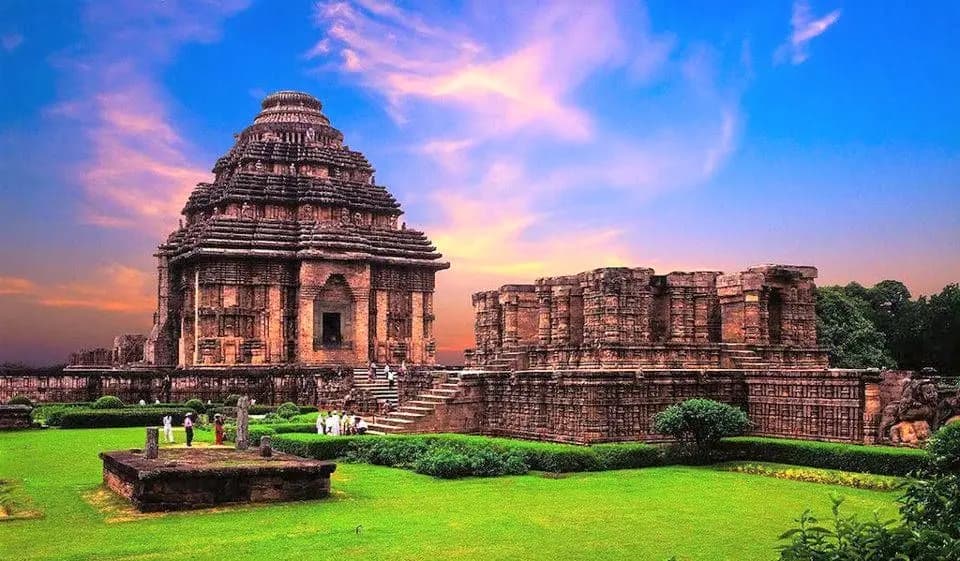
Konark Sun Temple
Konark, Odisha
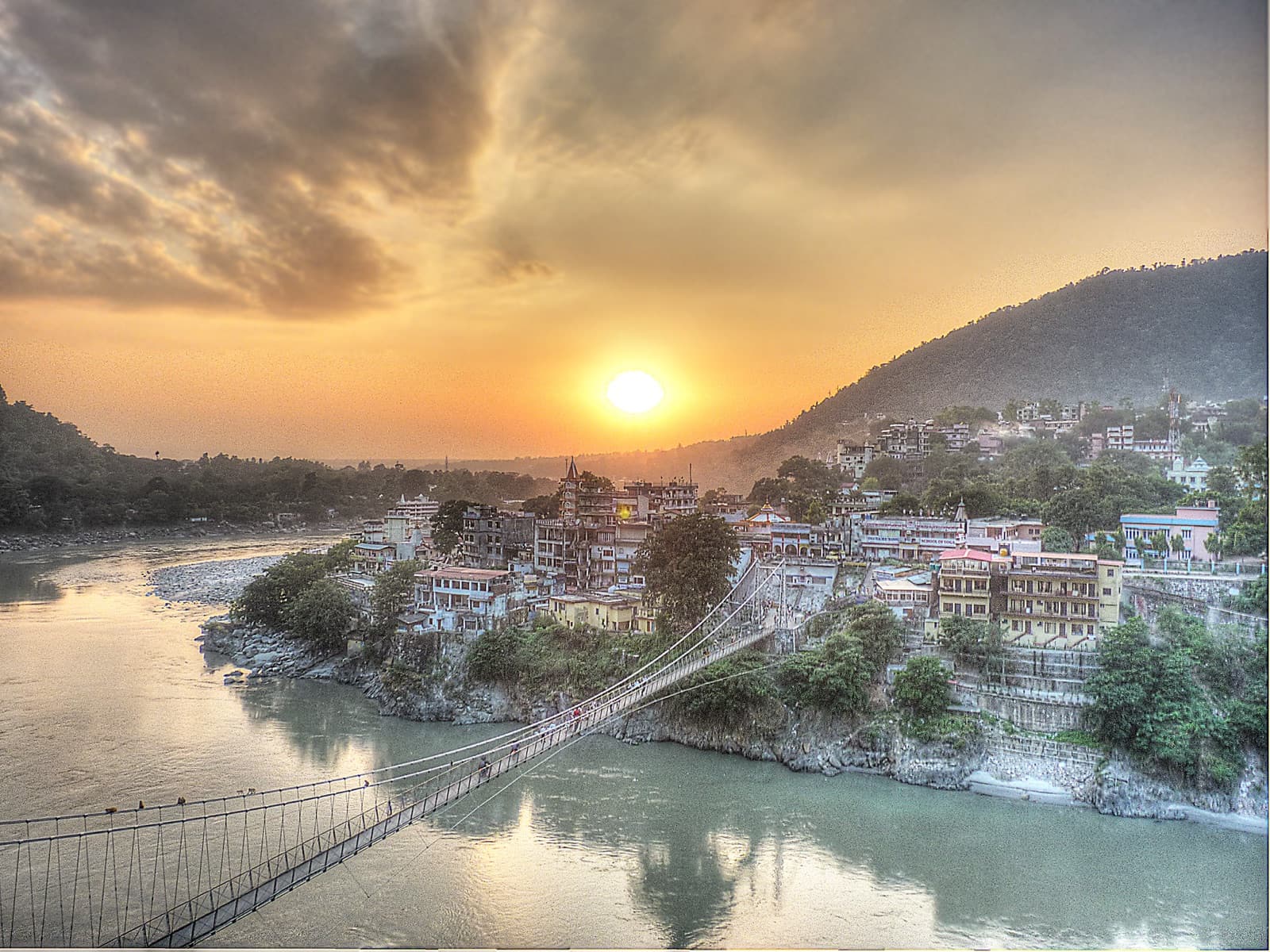
Rishikesh
Dehradun, Uttarakhand
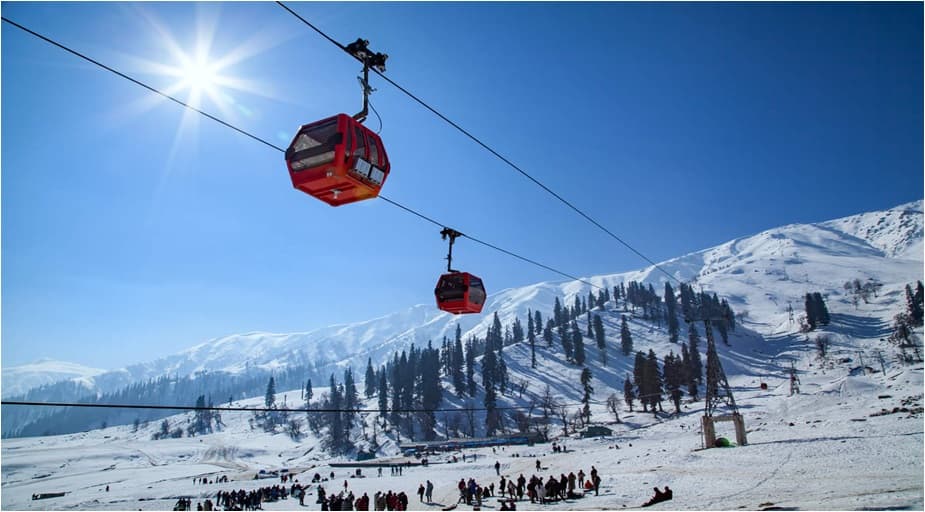
Gulmarg
Baramulla, Jammu & Kashmir
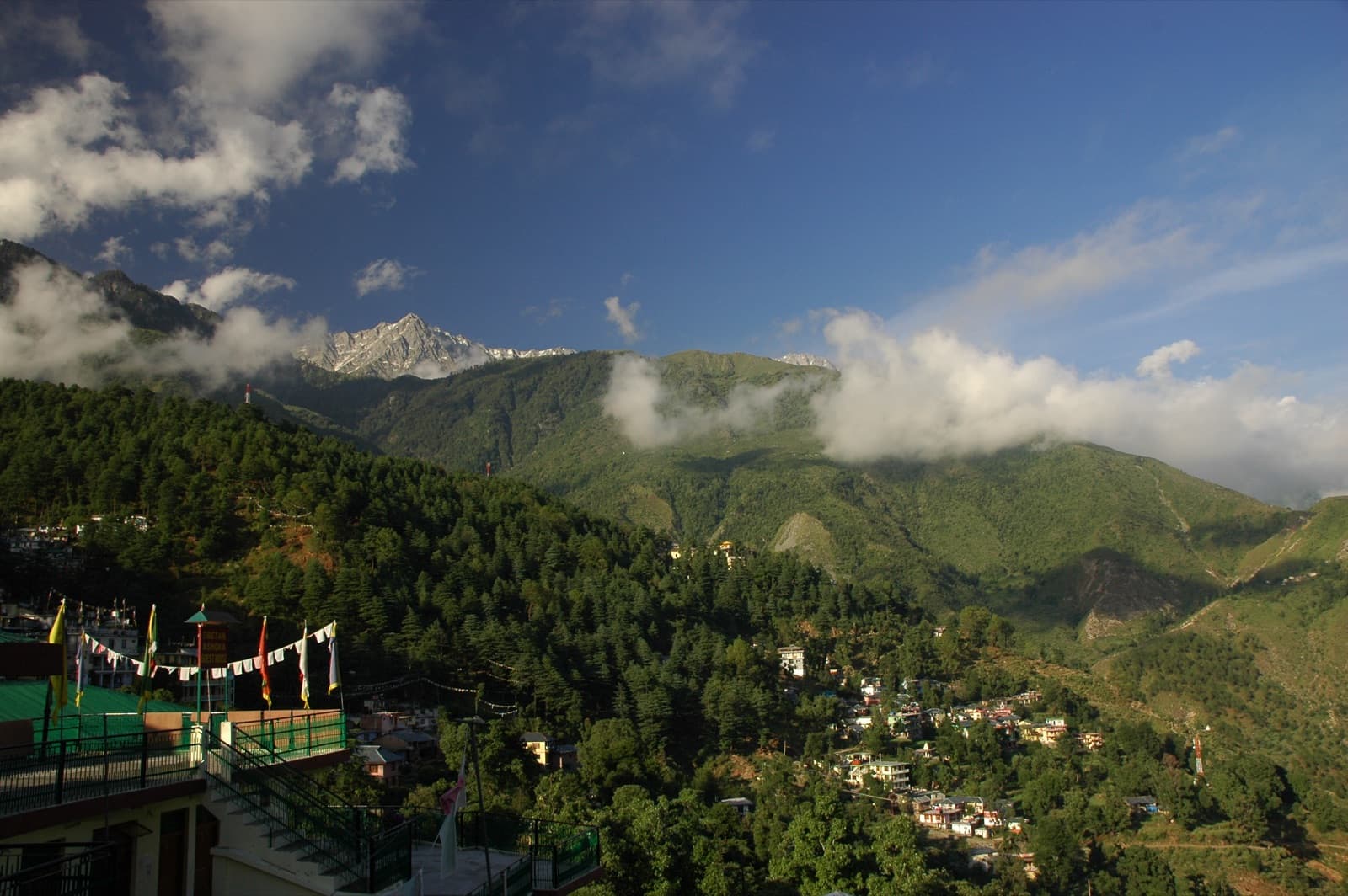
McLeod Ganj
Dharamshala, Himachal Pradesh
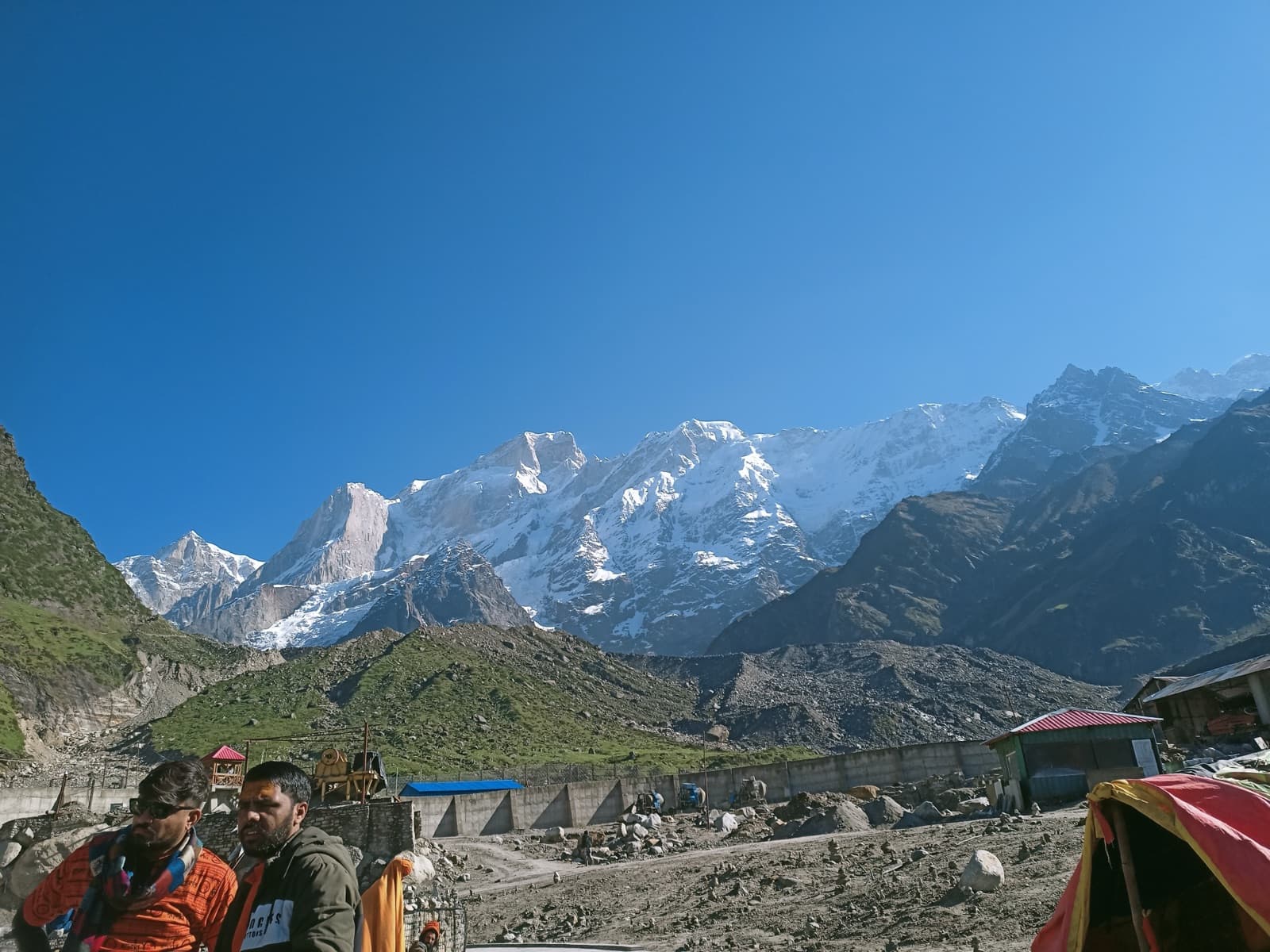
Kedarnath
Rudraprayag, Uttarakhand
Explore Travel Collections Across India
Temples & Spiritual Sites
Ancient temples, shrines and sacred sites across India.
Explore collectionHill Stations & Valleys
Alpine meadows, glaciers and scenic mountain getaways.
Explore collectionForts & Heritage
Iconic forts, palaces and UNESCO World Heritage monuments.
Explore collectionLakes & Beaches
Tranquil lakes, lagoons and sun-soaked coastlines.
Explore collection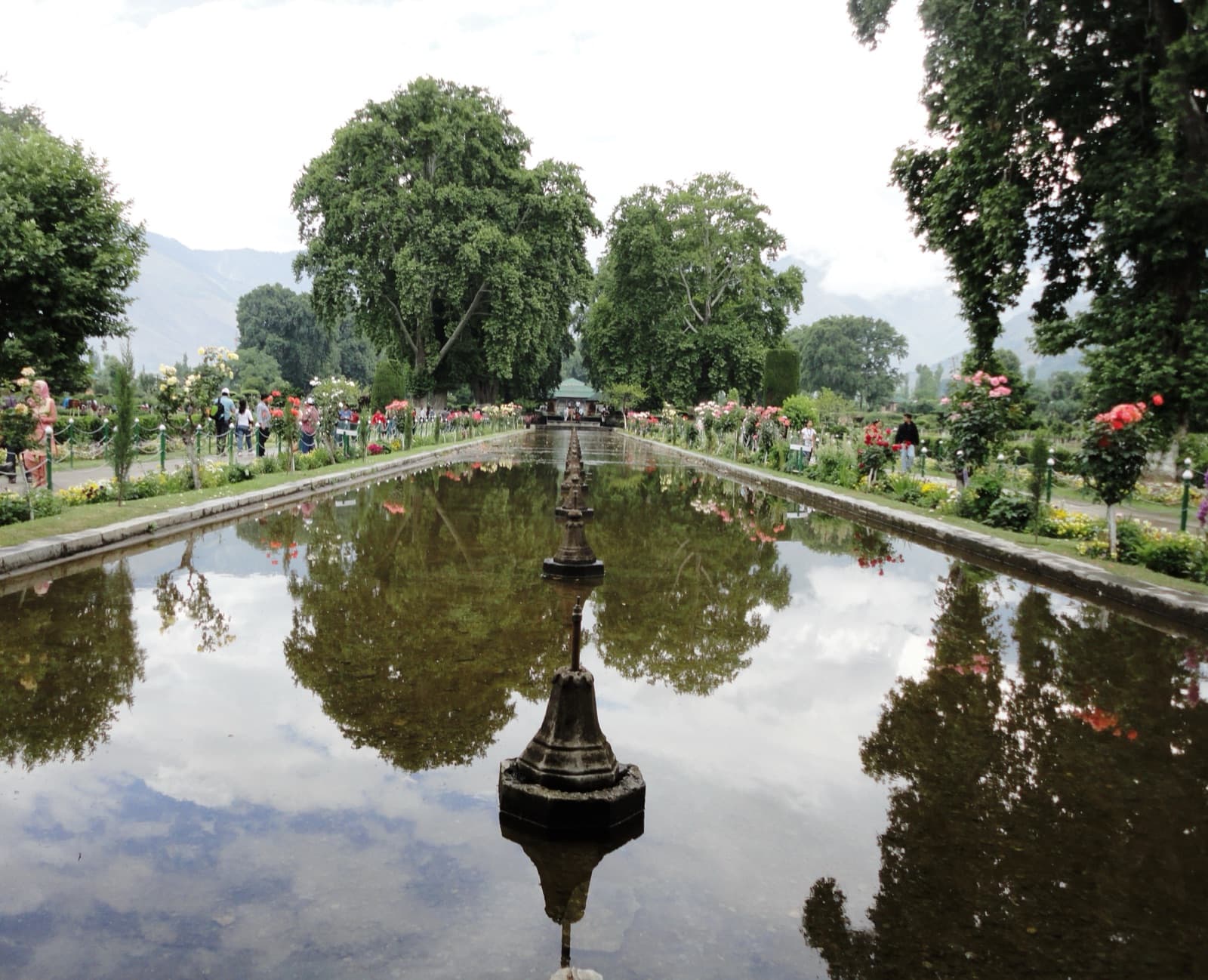
Mughal Gardens
Terraced Mughal gardens with fountains and chinars.
Explore collectionChar Dham Yatra
The four sacred Himalayan shrines of Uttarakhand.
Explore collectionSolo Travel Favourites
Safe, social and easy-to-navigate destinations loved by solo travellers.
Explore collectionWhy Visit India?
India is one of the world's oldest and most complex civilisations — a country of staggering diversity where ancient empires left behind some of the most extraordinary monuments ever built. Here is what makes India unlike anywhere else on earth.
UNESCO World Heritage Sites
India has over 40 UNESCO World Heritage Sites — from the white marble perfection of the Taj Mahal in Agra to the sun-chariot of Konark in Odisha and the living tradition of the Golden Temple in Amritsar. Mughal emperors, Rajput kings, Buddhist monarchs, and ancient Hindu dynasties each left behind an architectural legacy that takes a lifetime to fully explore.
Culinary Diversity
Indian cuisine is not one cuisine but dozens — each state has its own ingredients, techniques, and signature dishes. Kashmiri Wazwan (a ceremonial multi-course feast), Rajasthani Dal Baati Churma, the Mughal-derived biryanis of Lucknow, Amritsari Kulcha with chole — food is one of the deepest ways to experience the country's regional identities.
Hill Stations & Natural Landscapes
From the high-altitude meadows of Gulmarg and Sonmarg in Kashmir — some of Asia's finest ski and trekking terrain — to the Thar Desert of Rajasthan, Kerala's backwaters, and the Himalayan foothills of Uttarakhand, India's landscapes are as varied as its cultures. Wildlife sanctuaries shelter tigers, snow leopards, elephants, and one-horned rhinoceroses.
Living Spiritual Traditions
India is the birthplace of Hinduism, Buddhism, Jainism, and Sikhism, and has been shaped by Islam and Christianity for centuries. Pilgrimages, festivals, and daily rituals form an inseparable part of ordinary life. The Langar at the Golden Temple feeds 100,000 people a day without charge; the Hazratbal Shrine draws millions during religious festivals; ancient temples remain living centres of worship, not merely museums.
Unmatched Value for Money
India offers extraordinary value at almost every price point. Heritage site entry fees are among the lowest in the world (many under ₹100 for Indian nationals). A full meal at a local dhaba costs ₹50–100. Train travel connecting major cities is inexpensive, efficient, and offers an experience in itself. For international visitors, the exchange rate makes India one of the most affordable major travel destinations on earth.
Arts, Crafts & Textiles
India's craft traditions are millennia old and extraordinarily diverse: Pashmina shawls from Kashmir, Phulkari embroidery from Punjab, Jaipuri block-print textiles, Agra marble inlay work, Kashmiri paper-mâché, Rajasthani miniature paintings. Shopping directly from artisans — rather than from tourist shops — supports these traditions and ensures you take home something genuinely unique.