Gangotri
Source of the Ganga • Char Dham Shrine
About Gangotri
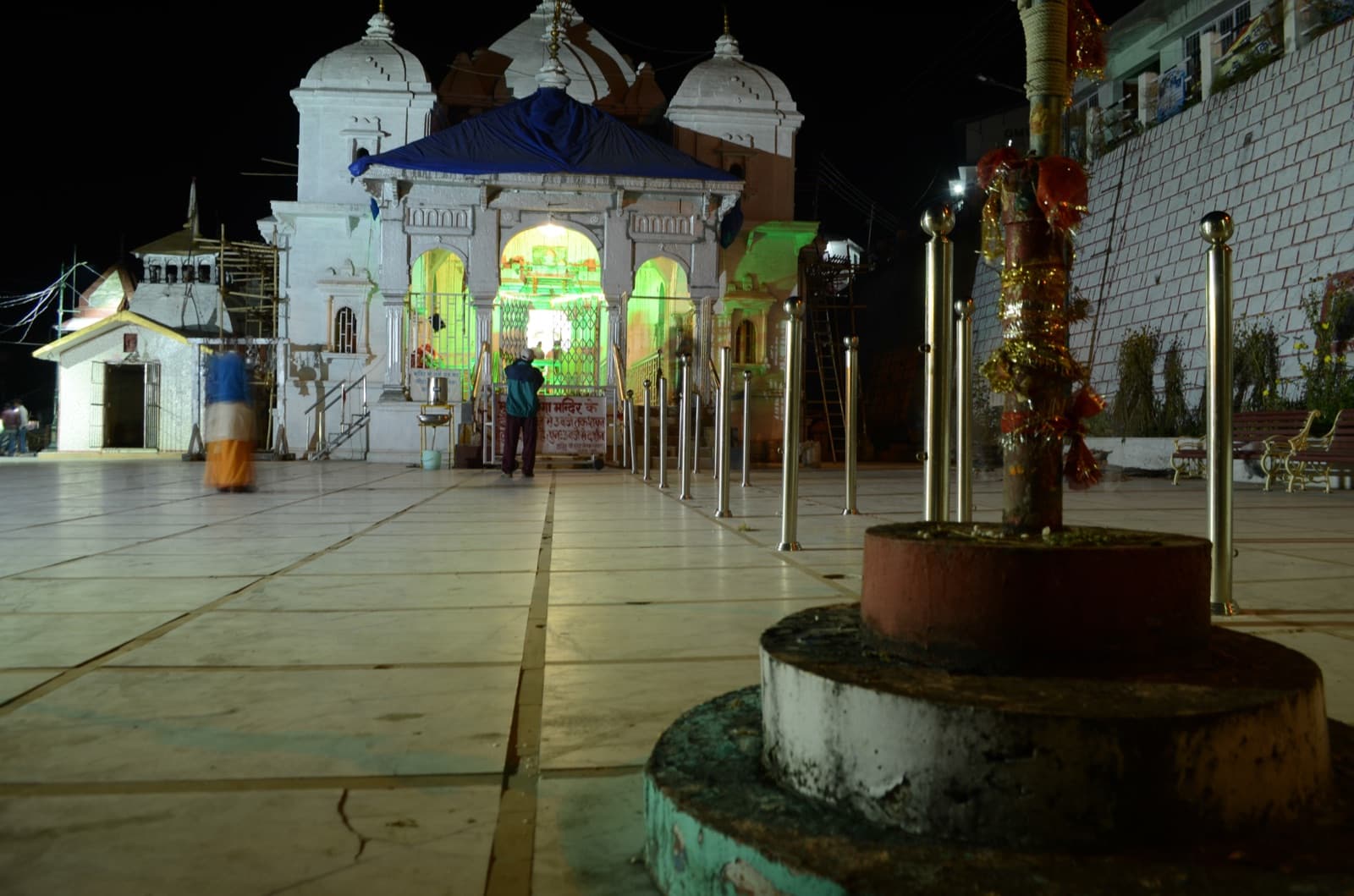
Gangotri is the sacred origin point of the river Ganga in Hindu belief and one of the four shrines of the Chota Char Dham of Uttarakhand. The white temple, dedicated to Goddess Ganga, stands on the banks of the Bhagirathi river at about 3,100 m amid towering Himalayan peaks and deodar forests. According to legend, it is here that the Ganga descended to earth in response to King Bhagirath’s penance. Uniquely among the Char Dham shrines, Gangotri is reachable directly by road, making it accessible to pilgrims of all ages.
Highlights
- • White marble temple of Goddess Ganga
- • Bhagirathi river origin and ghats
- • Bhagirath Shila and Submerged Shivling
- • Gateway to the Gaumukh–Tapovan trek
- • Harsil valley and apple orchards nearby
How to Reach
Jolly Grant Airport, Dehradun (~250 km) then by road
Drive to Gangotri via Rishikesh, Uttarkashi and Harsil
Short walk from the parking area to the temple
~18 km trek (permit required) to the glacier source
Frequently Asked Questions
Gangotri Temple opens on the auspicious day of Akshaya Tritiya (around late April or early May) and closes on Diwali / Bhai Dooj (around late October or early November). During the winter months the idol of Goddess Ganga is shifted to Mukhba village near Harsil, where worship continues. The exact dates are announced each year by the temple committee according to the Hindu calendar.
Yes. Unlike Kedarnath and Yamunotri, Gangotri Temple is directly accessible by road — vehicles can reach the temple town itself. The drive winds through the scenic Bhagirathi valley via Uttarkashi, Harsil and Bhatwari. From the parking area it is only a short walk to the temple, making Gangotri the most road-accessible of the four Char Dham shrines.
Gangotri is the temple town dedicated to Goddess Ganga, located at about 3,100 m and accessible by road. Gaumukh is the actual snout of the Gangotri Glacier — the true geographical source of the river Bhagirathi (Ganga) — located about 18 km further upstream. Reaching Gaumukh requires a multi-day trek through the Gangotri National Park, for which a permit is mandatory. Most pilgrims visit only the Gangotri Temple.
Yes. The Gaumukh trail lies within the Gangotri National Park, and a permit from the Forest Department is mandatory. A limited number of permits are issued per day to protect the fragile ecosystem, so it is best to apply in advance — online or at the forest office in Uttarkashi or Gangotri. The trek to Gaumukh and beyond to Tapovan is strenuous and should be attempted only by acclimatised, well-prepared trekkers.
Registration for the Char Dham Yatra, including Gangotri, is mandatory through the Uttarakhand government's official portal (registrationandtouristcare.uk.gov.in) or the Tourist Care Uttarakhand app. Offline counters are available at Haridwar, Rishikesh and other points. Carry a valid photo ID and keep your registration confirmation handy throughout the journey.
May–June and September–October offer the most pleasant weather and clear mountain views. The monsoon months of July and August bring heavy rain and a risk of landslides on the mountain roads, so travel can be disrupted. The temple is closed from around November to April because of heavy snowfall. Mornings are ideal for darshan and photography before afternoon clouds build up.
Besides the main Gangotri Temple, nearby attractions include the Bhagirath Shila (the rock where King Bhagirath is said to have meditated), the Submerged Shivling rock visible in the riverbed during low water, Gauri Kund waterfall, and the picturesque village of Harsil with its apple orchards and deodar forests. The Gangotri National Park and the trail towards Gaumukh and Tapovan are highlights for trekkers.
Location & Map
Quick Facts
Essential Tips
What to Carry
- • Warm layers and a windcheater
- • Comfortable walking shoes
- • Personal medication and first-aid
Good to Remember
- • Complete the mandatory yatra registration
- • Get a forest permit before the Gaumukh trek
Tourism Contacts
Photography Guide
- • Temple beside the Bhagirathi river
- • Rushing glacial waters and ghats
- • Deodar forests and peaks of Harsil
© 2026 TripGuides.in. All Rights Reserved.